The North Coast 500 in Winter
Shorter days, dramatic low-angled light, and barren moorlands swept by Atlantic squalls. Scotland in winter is a temperamental but highly rewarding driving experience.
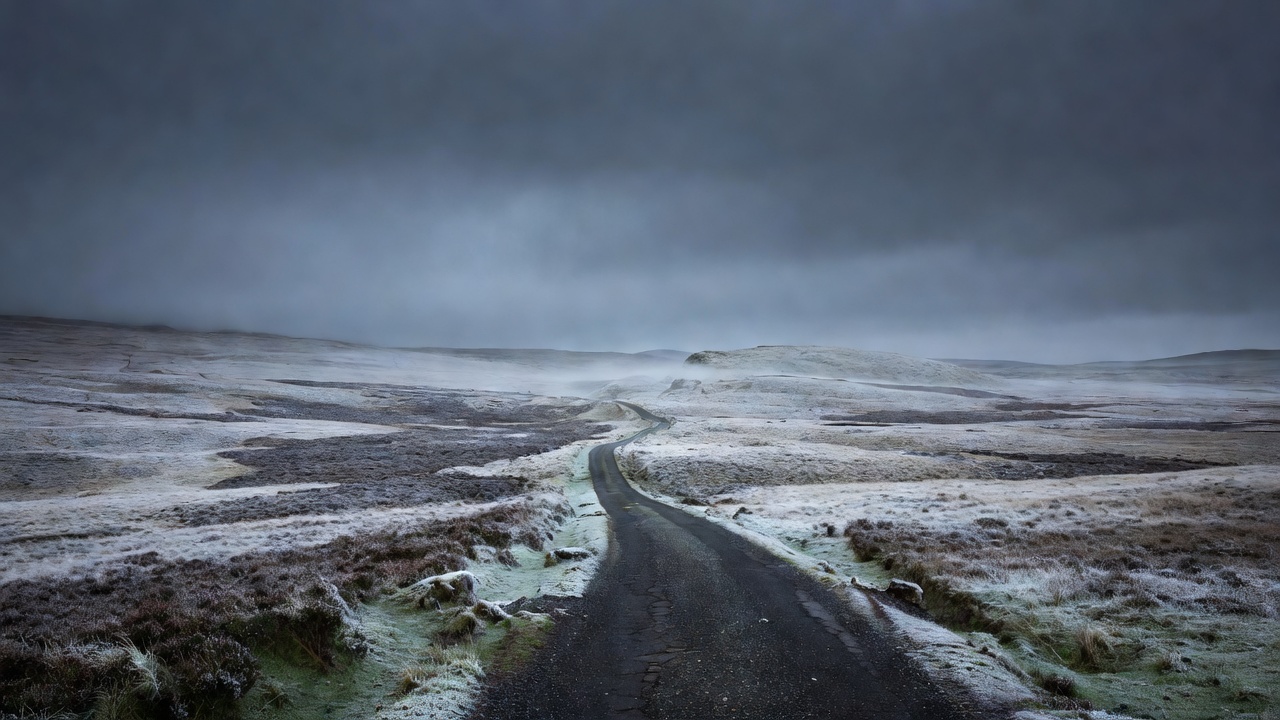
The North Coast 500 has earned a reputation as one of the world's premier coastal touring routes. While summer brings endless daylight and convoys of campervans, winter strips the landscape back to its raw elements. The mountains of Assynt and Torridon become snow-capped monoliths, while the lochs turn leaden gray beneath fast-moving storm clouds.
Driving in the Scottish Highlands between December and March requires flexibility. Unlike the permanent deep freeze of alpine regions, Scottish winter weather is famously fickle. A morning of bright, frosty sunshine can deteriorate into horizontal sleet or a blanket of fog within hours. You are dealing with maritime winter conditions, which means temperatures hovering around freezing, resulting in treacherous black ice.
The Challenge of Daylight
The most critical constraint on a winter Highlands road trip is daylight. In mid-December, the sun rises after 8:45 AM and sets before 3:30 PM. This severely restricts the amount of safe driving and sightseeing you can accomplish in a day. It is highly advisable to complete your driving during daylight hours; the single-track roads are completely unlit, and nocturnal wildlife such as red deer pose a significant collision risk.
Single-Track Etiquette in the Snow
Much of the western and northern stretches of the route consists of single-track roads with designated passing places. When snow falls, these passing places can become obscured or filled with plow debris. You must maintain intense forward observation, anticipating oncoming traffic long before you meet, and avoiding sudden braking which will easily break traction on slushy surfaces.
The famous Bealach na Bà, a steep, winding pass over to Applecross, is frequently impassable in winter. Do not attempt to bypass road closure signs. When the pass is closed, a lower-level coastal alternative remains open, ensuring you are never truly stranded, though detours can be lengthy.
Black Ice Awareness
Because temperatures frequently fluctuate around 0°C (32°F), melted snow refreezes constantly. Shaded corners, bridge decks, and valleys that see little winter sun are notorious for black ice. A four-wheel-drive vehicle offers no advantage when braking on ice; speed management is your primary defense.
Accommodations and Planning
A significant portion of highland hospitality shuts down for the winter season. Hotels, guesthouses, and restaurants operate on reduced hours or close entirely until Easter. Pre-booking accommodation is absolutely essential. Furthermore, you cannot rely on casual stops for lunch; carrying a flask of hot tea and provisions in the car is standard practice for winter highland travel.
Verdict
A winter traverse of the Highlands is not for those seeking effortless cruising. It requires vigilance, a sturdy vehicle (preferably equipped with winter or high-quality all-season tires), and an appreciation for desolate, brooding landscapes. However, the reward of experiencing places like Glencoe or the beaches of Durness without another soul in sight makes the rigorous conditions entirely worthwhile.