Chasing Auroras in the Lofoten Islands
The E10 winds its way through an archipelago of jagged peaks jutting out of the Norwegian Sea. In winter, this coastal route becomes an icy, otherworldly passage.
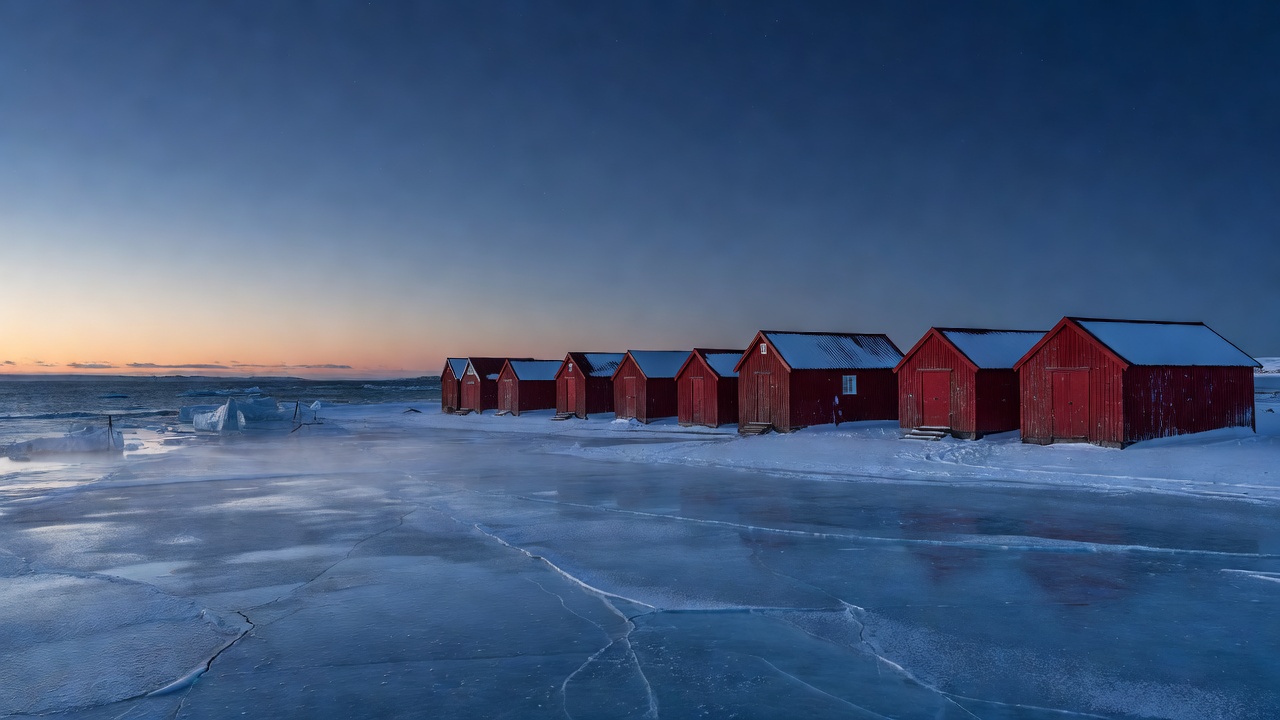
Situated well above the Arctic Circle, the Lofoten Islands offer a dramatic clash of ocean and alpine geology. Driving the E10—the primary road connecting the islands—during winter is an endeavor defined by rapidly changing weather, sheer drops into icy fjords, and the perpetual twilight of the polar winter.
Because the Gulf Stream moderates the climate, Lofoten does not experience the bitter, minus-forty-degree temperatures found inland. Instead, the temperatures hover around freezing. This creates the most challenging surface known to drivers: wet ice. The roads are rarely gritted with salt; rather, maintaining traction relies on the widespread use of studded tires.
Studded Tires and Rental Vehicles
If you are renting a vehicle in Northern Norway during the winter months, it will come equipped with studded tires (piggdekk) by default. These small metal pins embedded in the rubber bite into the hard-packed ice, providing a level of control that standard winter tires cannot match on these specific surfaces. The sound of studs clicking against the rare patches of dry tarmac is the quintessential soundtrack to a Norwegian road trip.
Even with studs, cornering speeds must be drastically reduced. The road is narrow, often lacking shoulders, with snowbanks on one side and frigid ocean waters on the other. Defensive driving and extreme patience are required.
Navigating the E10
The bridges connecting the various islands are spectacular engineering feats, sweeping high over the water to allow shipping traffic beneath. In winter, these exposed structures are subject to intense crosswinds. In severe gales, authorities will close the bridges to high-sided vehicles, and occasionally to all traffic. Monitoring the local weather alerts (via the Norwegian Public Roads Administration app) is essential before setting out each day.
Hunting the Aurora Borealis
The ultimate reward of a winter drive here is the Northern Lights. When driving at night in search of clear skies, pull entirely off the road into designated parking areas. Never stop on the carriageway, and turn off your headlights to prevent blinding oncoming drivers while you wait for the display.
Light Conditions and Photography
During December and early January, the sun barely breaks the horizon. This period, known as the polar night, bathes the landscape in hours of twilight—deep blues, purples, and soft pinks. It is a photographer's dream, but it severely tests driver fatigue. Your eyes work harder to define contrasts on the snowy roads, so frequent stops in the distinctive red fishing villages (Rorbuer) for coffee are highly recommended.
Verdict
Driving the Lofoten Islands in winter is less about covering distance and more about immersion in an extreme, fragile environment. The juxtaposition of violent coastal weather and the serene beauty of snow-covered peaks creates a road trip that feels more like an Arctic expedition. Trust the local tire technology, respect the wind, and let the landscape dictate your pace.